

Knowledge Essentials
Explore the fundamentals of climate-responsible aquaculture through science-based knowledge, practical strategies, and insights into the impacts of climate change on aquaculture systems. Discover essential concepts, real-world examples, and FAQs to help strengthen understanding and promote sustainable, climate-resilient aquaculture across Southeast Asia.

This section serves as a starting point for navigating the core topics and learning resources available through the ASEAN Learning Hub on Climate-Responsible Aquaculture. It organizes essential information into accessible content that helps users build a shared understanding of the concepts, issues, and developments shaping the aquaculture sector across the region.
Moreover, the section also connects foundational knowledge with regional experiences and emerging practices, allowing users to explore relevant information at their own pace. By providing a common knowledge base, it supports learning, knowledge exchange, and collaboration among stakeholders working to advance aquaculture development in Southeast Asia.

Browse by topic
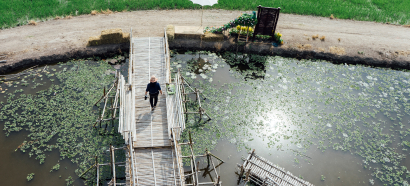
Frequently Asked Questions (FAQs)
Provides clear, concise answers to commonly asked questions about climate change, aquaculture sustainability, climate adaptation and mitigation, and related scientific concepts to make technical information more understandable and accessible to a wider audience.
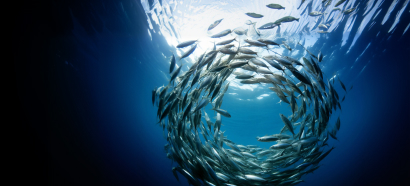
Aquaculture and the Blue Economy
Explains how sustainable aquaculture contributes to the blue economy through responsible use of aquatic resources, food and nutrition security, livelihood generation, economic development, and the conservation of coastal and marine ecosystems.
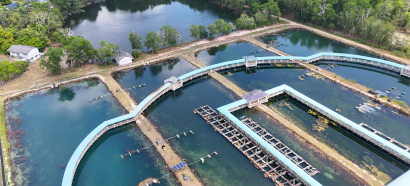
Ecosystem-Based and Circular Aquaculture
Explores approaches that integrate ecosystem health and biodiversity conservation into aquaculture management, alongside circular practices that promote resource recovery, waste reduction, and the efficient reuse of water, nutrients, and by-products.
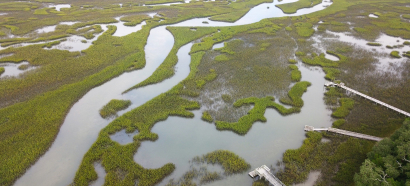
Climate Adaptation and Mitigation
Presents strategies for adapting aquaculture systems to climate-related risks and reducing their greenhouse gas emissions, including improved farm management, efficient energy and water use, resilient production systems, and appropriate technologies.

Principles and Practices of Climate-Responsible Aquaculture
Introduces the fundamental principles of aquaculture that account for climate risks, environmental sustainability, resource efficiency, responsible production, and the long-term resilience of aquatic food systems.

Understanding Climate Change and Aquaculture
Explains climate change and its implications for aquaculture, including rising water temperatures, extreme weather events, sea-level rise, salinity intrusion, disease emergence, harmful algal blooms, and changes in water quality.
No topic found.